
If your property has room to grow and your family’s needs have shifted, you’re probably weighing two options: build an accessory dwelling unit or add onto the existing home.
If generating rental income or housing a family member independently matters to you, an ADU tends to win.
If you need more square footage that flows naturally into your daily life, a home addition usually serves you better. Both improve property value. The right choice depends on your property layout, your long-term plans, and what you actually need the space to do.
What Each One Actually Is
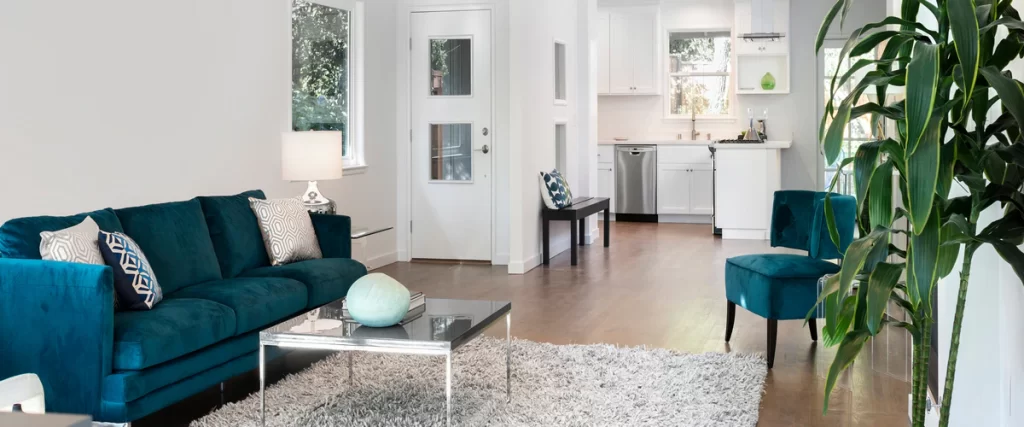
A home addition expands your existing structure. Think a new primary suite off the back of the house, a second story, a larger family room, or an extra bedroom that ties into how you already live. It shares your home’s utility connections, its HVAC, its plumbing runs, and the space flows seamlessly from one room to the next.
An accessory dwelling unit, or ADU, is a self-contained living space on the same property as the main house. It has its own entrance, its own kitchen, its own bathroom, and in most cases its own utility connections. A detached ADU sits separate from the primary residence entirely. Backyard cottages, converted detached garages, and standalone guest houses all fall under this category. Attached ADUs share a wall with the main house but still function as an independent space.
Side-by-Side: ADU vs Home Addition
| ADU | Home Addition | |
| Rental income potential | High | None |
| Self-contained living space | Yes | No |
| Separate entrance | Yes | Not required |
| Shares utilities with main house | Sometimes (attached) | Usually |
| Construction cost (Bay Area) | $225,000 to $400,000+ | $75,000 to $200,000+ |
| Best for | Multigenerational living, rental income, adult children | More space, family room, primary suite |
| Requires separate permits | Yes, plus ADU-specific zoning review | Standard building permit |
| Increases resale value | Yes, significantly | Yes |
When to Build an ADU
An ADU makes the strongest financial argument when you want a steady rental income stream from your existing property. In the Bay Area, a well-built detached ADU can generate $2,500 to $4,000 per month in rent depending on location and size, which compounds the investment significantly over time.
Beyond income, ADUs are built for situations where privacy and independence matter:
- Aging parents who want to stay close but need their own private space
- Adult children returning home or saving toward their own place
- A home office or studio fully separated from the main house
- Long-term guests who need a proper independent space rather than a spare bedroom
California has made it considerably easier to build an ADU than it once was. Under current California ADU law, most single-family lots can accommodate at least one ADU, and impact fees are waived for units under 750 square feet. Most Bay Area cities now have streamlined ADU permitting processes as a result of state housing legislation, though local ordinances around setbacks, height, and parking requirements still vary.
When a Home Addition Makes More Sense
A home addition works best when the goal is more living space, not a separate unit. If your family is growing, your home office keeps migrating into the bedroom, or your existing home layout simply no longer functions the way you need it to, adding onto the existing structure is usually faster, more cost-effective, and far less complicated to permit than a full ADU build.
Home additions also make sense when:
- Yard space is limited and a detached ADU would crowd the property
- You want a master suite, an expanded kitchen, or a second story that feels part of the main house
- You have no plans to rent and want every square foot dedicated to your household
- The budget runs closer to $100,000 to $150,000, which typically buys more usable family space in an addition than in an ADU
The Permit and Zoning Reality
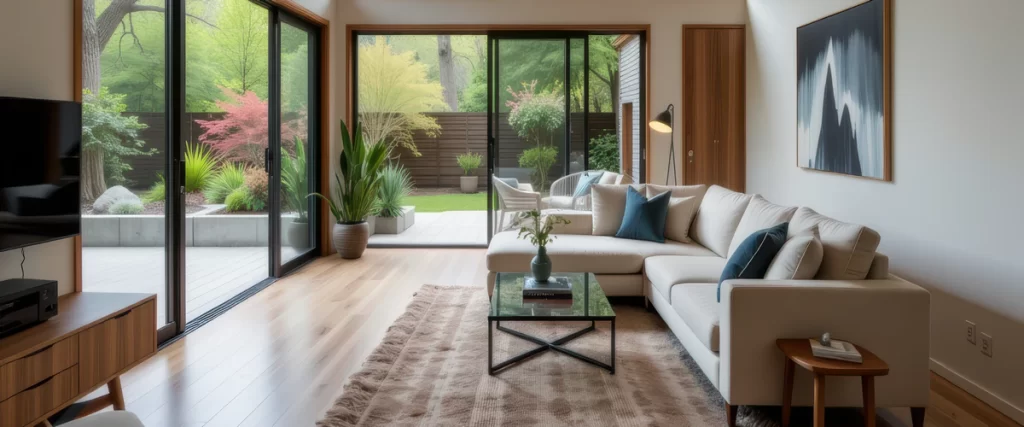
Both projects require permits. Both require compliance with local zoning laws, setback rules, and California building codes. The difference is that an ADU also needs to meet utility separation requirements, sometimes involving separate electrical service or new sewer connections from the rear property lines, which adds to both cost and timeline.
Cupertino and most Bay Area cities require you to work through the city’s planning department before construction begins. If you are curious about how Cupertino handles ADU applications specifically, their building division is a good first call.
If you want a closer look at what goes into the ADU side of this decision, our ADU construction page covers the full process in detail.
Frequently Asked Questions
Does an ADU add more value than a home addition? In most Bay Area markets, yes, because an ADU creates income-producing square footage. That income is often capitalized into the property’s appraised value.
Can I build both on the same property? California law allows one ADU and one Junior ADU (JADU) on most single-family lots, sometimes alongside a home addition, depending on lot size and local ordinances.
Which takes longer to build? ADUs typically run 9 to 14 months from permit submission to completion in the Bay Area. Home additions average 4 to 8 months depending on scope.
Which is harder to finance? Home additions are simpler to finance through a HELOC or home equity loan. ADUs qualify for more specialized programs, including the CalHFA ADU Grant Program.
Honestly? Let Us Figure This Out For You
The real answer to “ADU or home addition” depends on your specific lot, your goals, and Cupertino’s current permit environment, which shifts more than most homeowners realize. Reading about it is one thing. Sitting down with a team that has actually built both, in this market, on lots like yours, is something else entirely.
Call us at (408) 545-8413 or message us here and we’ll give you a straight answer about which path fits your property, your budget, and your family’s actual needs.